

As someone new to the world of flower bouquets, I wasn’t entirely sure what I was doing at first. But I knew one thing: I wanted my flowers to last, not just for a day or two, but for as long as they possibly could. This post is a small collection of my personal notes, little trials and errors, and what I’ve learned along the way. With just a bit of care, most of my bouquets lasted up to two weeks after purchase. And if you happen to have more tips or know the science behind some of these methods, I’d love to hear them!
The Basics For Almost Every Flower
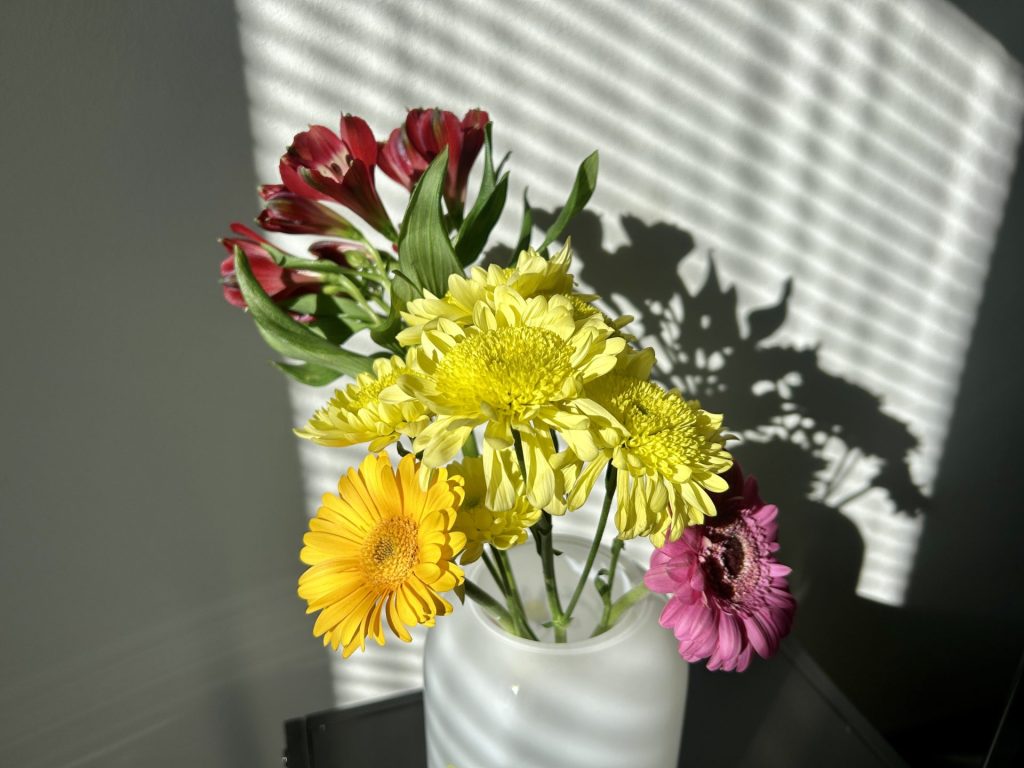
There are a few things I now do as soon as I bring a bouquet home:
- Cut the stems at a 45-degree angle under water. This prevents air bubbles from getting into the stem and helps the flower drink more efficiently.
- Bouquets usually come with a small packet of flower food, which I use at first. But after 2–3 days, when it’s time to change the water, I make my own. I mix water with sugar, vinegar, and a tiny bit of chlorine. The sugar feeds the flowers, the vinegar helps keep bacteria away, and the chlorine disinfects the water.
You can find a more detailed explanation in a previous post here.
Roses: Thirsty, Hungry, and Worth It
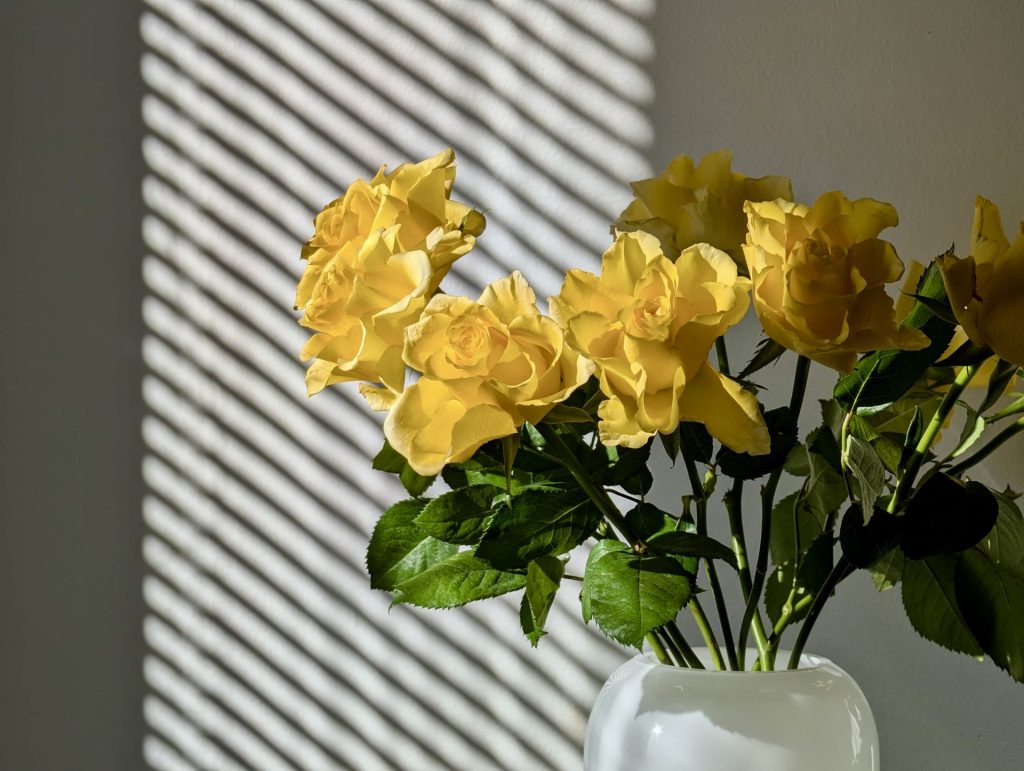
Roses have been the most rewarding to care for. They’re beautiful but demanding, like royalty that needs regular attention. They’re incredibly thirsty and sensitive, so hydration really matters.
What I’ve Learned:
- Always cut the stem at a 45-degree angle, and make it a long, deep slit. This gives the rose a better chance to drink deeply.
- Mist the petals gently with water. Roses love humidity, and this helps keep them hydrated.
Peonies: A Rollercoaster of Bloom and Hope
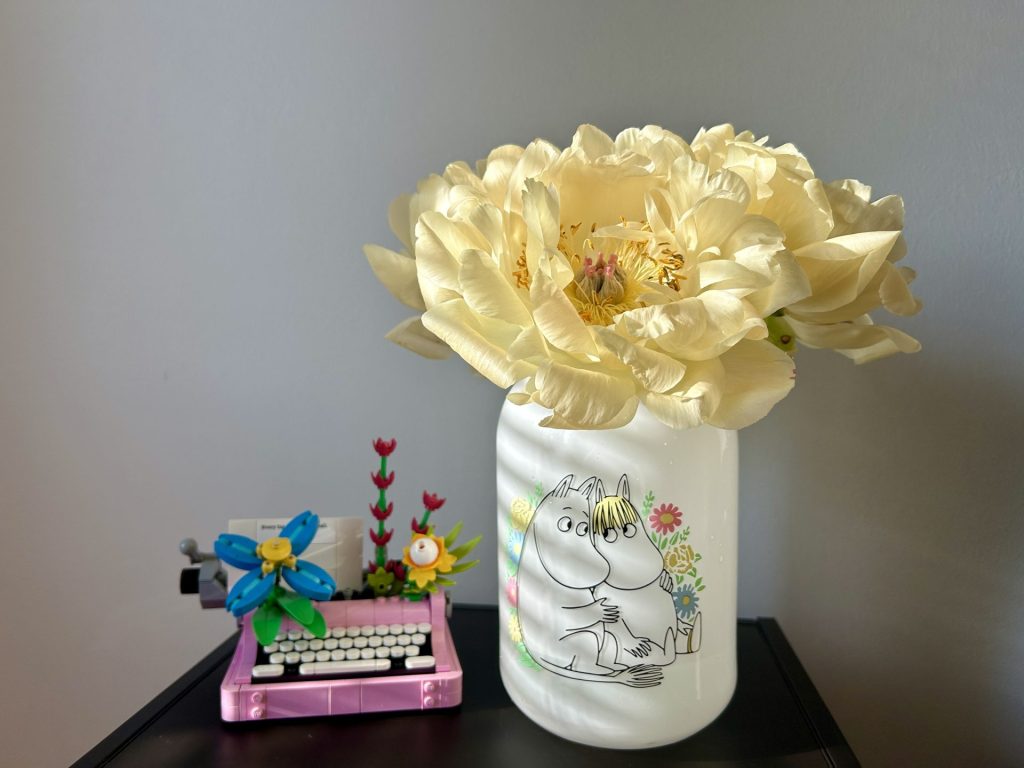
Peonies only show up for a short while, from late April to June, which somehow makes them feel even more precious. I came across a lovely website that said their brief season is part of their charm, and I couldn’t agree more. So when I saw them at the market, I didn’t hesitate. I brought some home, ready to figure out how to care for them.
Peonies were tricky for me. I was so excited to bring them home, but they just wouldn’t open. I didn’t know, at first, that there’s a little trick to help them bloom.
I found out (two days late!) that I was supposed to flip the peony upside down and gently spin it under water to nudge it open. I tried it anyway. And to my delight, the flowers bloomed… but only briefly. A few hours later, they seemed to close back up again.
At that point, I sort of gave up on the idea of “perfect blooms.” But I didn’t throw them out. I kept caring for them, just without expectations. Then one day, I came home after work and there they were fully bloomed, big and lush. I was so surprised and relieved. Turns out, they just needed time.
What Helped:
- Remove any leaves
- Flip and spin the flower underwater to trigger the blooming process.
- Once they’re open, I switch to gently spraying the petals with water instead of flipping.
- I don’t add chlorine to the vase water for peonies. In my experience, it seems to affect their ability to bloom properly. They responded better without it.
Wildflower
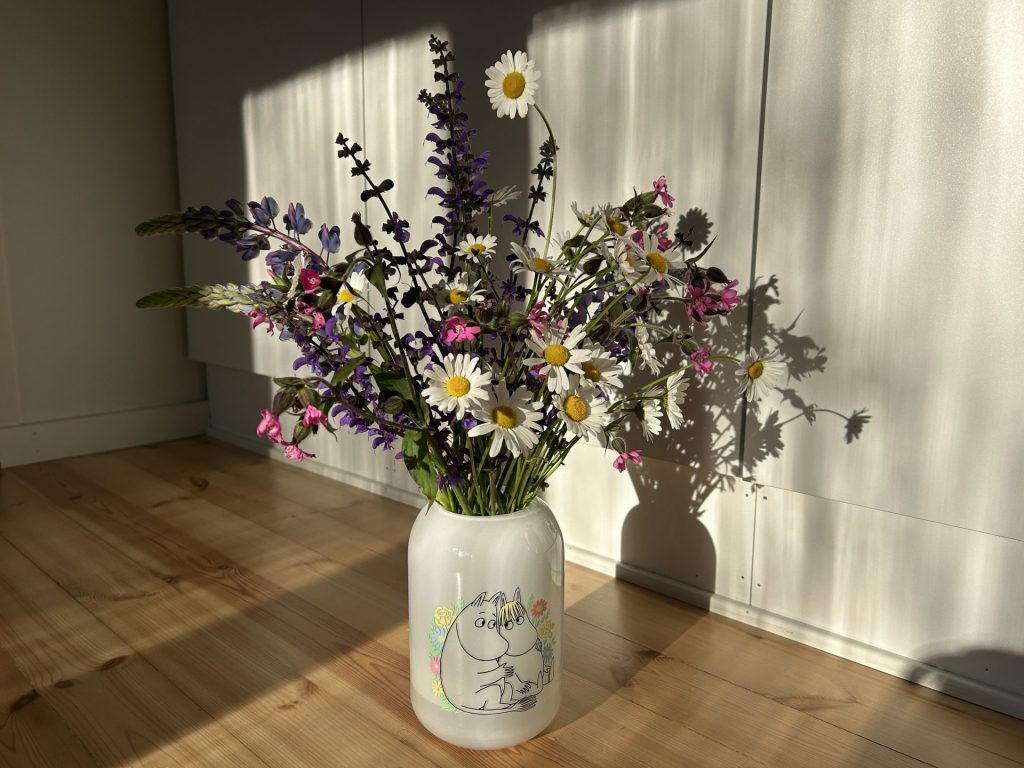
During my first spring of learning how to care for flower bouquets, I found myself drawn to the wildflowers blooming along the roadsides and forest edges. I was a complete beginner, trying to gather and arrange flowers on my own, straight from nature. As I went along, I picked up a few important lessons about harvesting and caring for wildflowers, and thought I’d share them here:
Where
Always be mindful of your surroundings. Avoid picking flowers in protected areas or anywhere harvesting is prohibited. Respect both nature and the space you’re in.
When
The best time to harvest is early in the morning or late in the evening, when the air is cooler and the flowers are less stressed. Avoid cutting them in the heat of the day because it can lead to faster wilting.
Techniques
- Use clean, sharp floral snips or pruners.
- Cut stems at a diagonal angle to allow better water absorption.
- Only take a few blooms from each plant, leaving enough for the plant to continue thriving. Cut just above a growth node so it can keep producing flowers.
- As soon as you cut the stems, place them into a bucket of clean water, just enough to cover the ends. This helps prevent early wilting.
Preparing for the Vase
Once home, treat your wildflowers as you would any bouquet. Trim the stems again, remove any leaves below the waterline, and follow the basic bouquet care steps for longer-lasting blooms.
Every bouquet I bring home teaches me something about the flowers, about patience, and about noticing the quiet kind of beauty that unfolds slowly. Flower care has become a small, meaningful ritual, and I’m still learning as I go.
Do you have your own bouquet care tips or flower stories? I’d love to hear them!
Leave a Reply