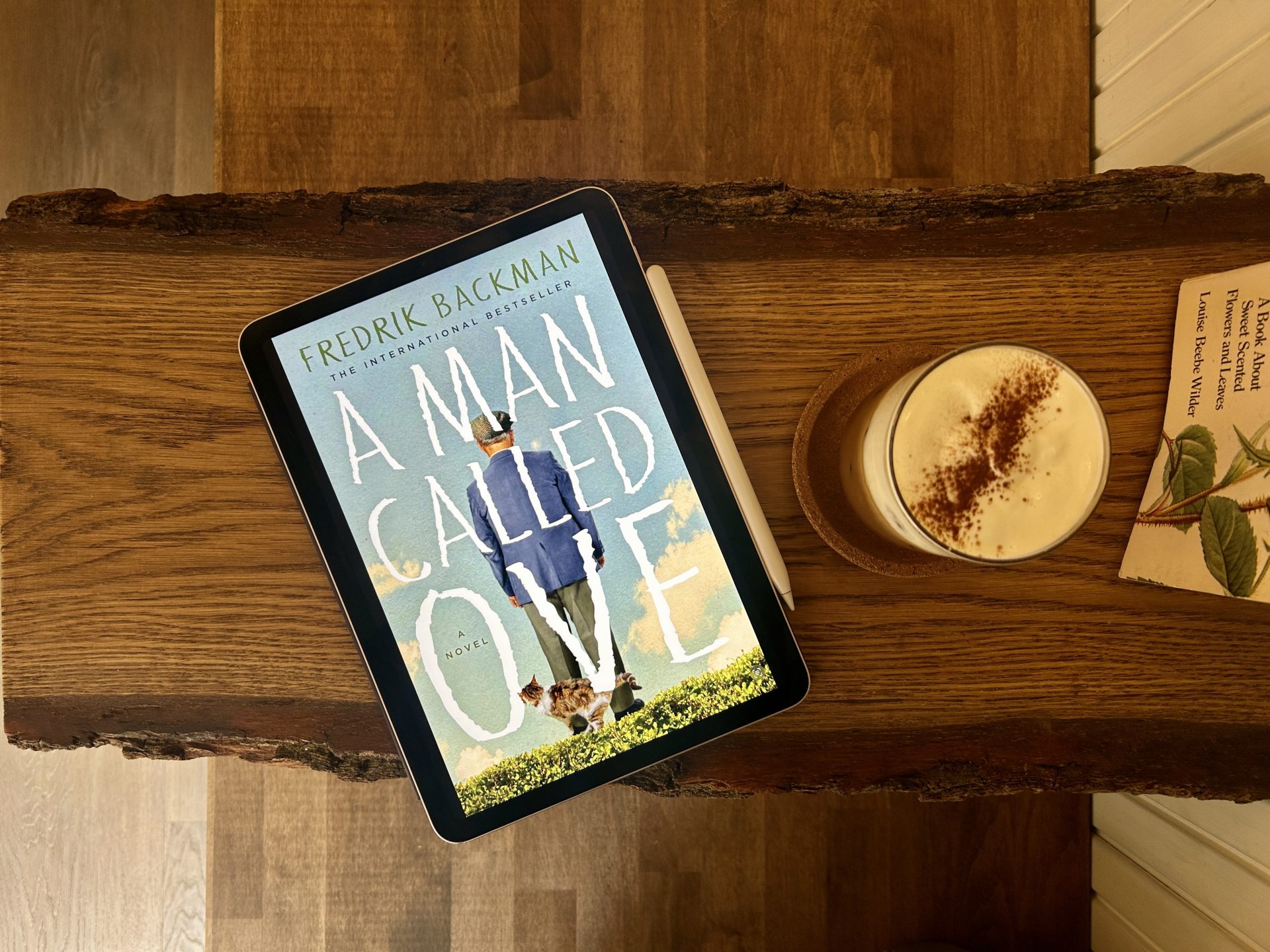
Meet Ove, a grumpy 59-year-old Swedish man who has lost his wife. He has decided he is ready to follow his wife out of this world, and he has worked out exactly how to do it. All Ove wants is to die in peace. He figures the timing should have lined up neatly right after his wife’s funeral. Being the dutiful sort, though, he can’t quite let go. The trouble is, his plan keeps getting interrupted. His first attempt falls apart thanks to his pregnant, very blunt Iranian neighbor, Parvaneh, and her cheerful husband, who manages to offend Ove in a simple act of failing to park his car the right way. From there, the interruptions pile up a steady parade of small, almost comic mishaps of coincidences that somehow keep landing on his doorstep, and a long mental checklist of things to sort out so that even his death won’t inconvenience anyone. This is the story of a man who feels worthless without his wife. And around every corner, the world keeps insisting that his life is worth far more than he believes.
Ove felt like someone I knew
So many sides of Ove found their way to my heart. There’s his love for his wife. There’s the way he reads the world through the eyes of an older man. I’m nowhere near his age, and still, I caught glimpses of myself in him: in his unbending principles, his strict routines, his short fuse, and his complete lack of patience for small talk. Ove also has a real gift for putting my own bitterness into words. Take this line:
Was a person hopeless because he believed there should be some limits? Ove didn’t think so.
I read that and immediately thought about current state of technology. If it were up to me, we’d have slammed the brakes back in the era of the phone and the Walkman. Nothing past that point. Call me hopeless, but I’m right there with Ove. A few limits never hurt anyone.
Then there’s my soft spot for the old ways of doing things, like brewing coffee properly and writing by hand, along with that nagging wish to never become a burden to anyone. Ove puts language to the odd feeling of growing older and turning into a stranger in a young person’s world:
People didn’t know how to do that anymore, brew some proper coffee. In the same way as nowadays nobody could write with a pen. Because now it was all computers and espresso machines. And where was the world going if people couldn’t even write or brew a pot of coffee?
He’s just as baffled by anyone who dreams of retirement:
How can anyone spend their whole life longing for the day when they become superfluous? Wandering about, a burden on society, what sort of man would ever wish for that.
The grief at the center of it all
Then there’s the grief, which is where the book really reached in and got me. Ove can’t accept that his wife is gone for good. He speaks about her as if she has only stepped out for a while, as if any day now she’ll walk back through the door:
Nothing works when you’re not at home. I’m tired of it, just rattling around the house all day while you’re away.
The book that arrived through a movie
You might know this one already as A Man Called Otto, the film adapted from this novel. In my first review of Backman’s work, I mentioned that my introduction to his works didn’t come from a book at all, it came from the screen. That’s a strange confession for someone like me. As a longtime reader, I almost never fall for an adaptation. I’m the stubborn type who will defend the book over the film nearly every time, fully convinced the page beats the screen in most cases.
And yet A Man Called Otto got me. I watched it on a long-haul flight and cried so hard that I had to cover my face and pretend to be asleep, terrified a flight attendant would stop and ask what was wrong. In fact, I was sobbing over a movie about a grumpy old man.
With Ove (the book version) and Otto (the movie version), though, I love both. They are charming in their own ways. The movie shines through its visuals and the actors who bring these characters to life. The book works its magic through words, tugging at your emotions one sentence at a time. Each one plays to the strength of its own medium, and both carry the same heart to their audience.
A Man Called Ove is a book about loneliness, love, and the stubborn ways people end up needing one another whether they like it or not. Ove spends the whole story trying to leave, and the world keeps handing him reasons to stay. By the final page, you’ll be glad it did.
If you’ve ever loved a grump, or been one yourself (like me), this one earns a top place on your shelf. Undoubtedly, five out of five stars for this book.
My Favorite Bits
- He was a man of black and white. And she was color. All the color he had.
- “Men are what they are because of what they do. Not what they say.”
- Ove wasn’t hopeless, in his own view. He just had a sense of there needing to be a bit of order in the greater scheme of things. He felt one should not go through life as if everything was exchangeable. As if loyalty was worthless. Nowadays people changed their stuff so often that any expertise in how to make things last was becoming superfluous.
- This was a world where one became outdated before one’s time was up. An entire country standing up and applauding the fact that no one was capable of doing anything properly anymore. The unreserved celebration of mediocrity.
- You only need one ray of light to chase all the shadows away.
- “You’re dancing on the inside, Ove, when no one’s watching. And I’ll always love you for that. Whether you like it or not”
- He knew very well that some people thought he was nothing but a grumpy old sod without any faith in people. But, to put it bluntly, that was because people had never given him reason to see it another way. Because a time comes in every man’s life when he decides what sort of man he’s going to be: the kind who lets other people walk all over him, or not.
- A time like that comes for every man, when he chooses what sort of man he wants to be. And if you don’t know the story, you don’t know the man.
- But if anyone had asked, he would have told them that he never lived before he met her. And not after either.
Author: Fredrik Backman
Publication date: 27 August 2012
Number of pages: 337 pages
Leave a Reply